Why Timor-Leste
Single-origin coffee country
Specialty arabica grown at 1,400 m by smallholder cooperatives. Most of it leaves the country — but you can taste the very best of it on the mountain it was picked on.
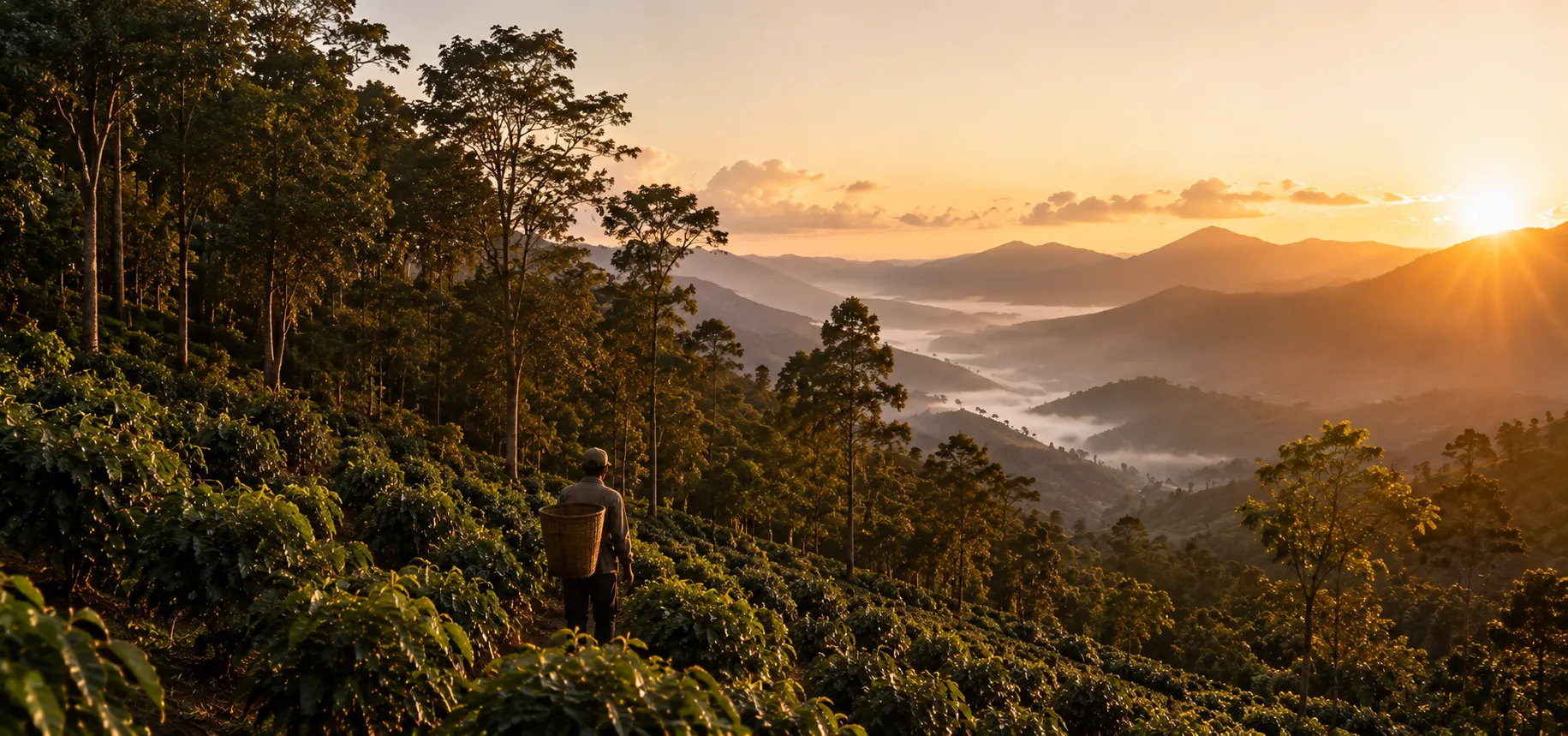
- Single-origin arabica
- 1,400 m altitude
- Hibrido de Timor variety
- 30,000 farming families
- 1,400 m Typical altitude
- 30,000 Smallholder families
- Organic Mostly, by default
- Jun – Sep Harvest season
Why Timor coffee is unusual
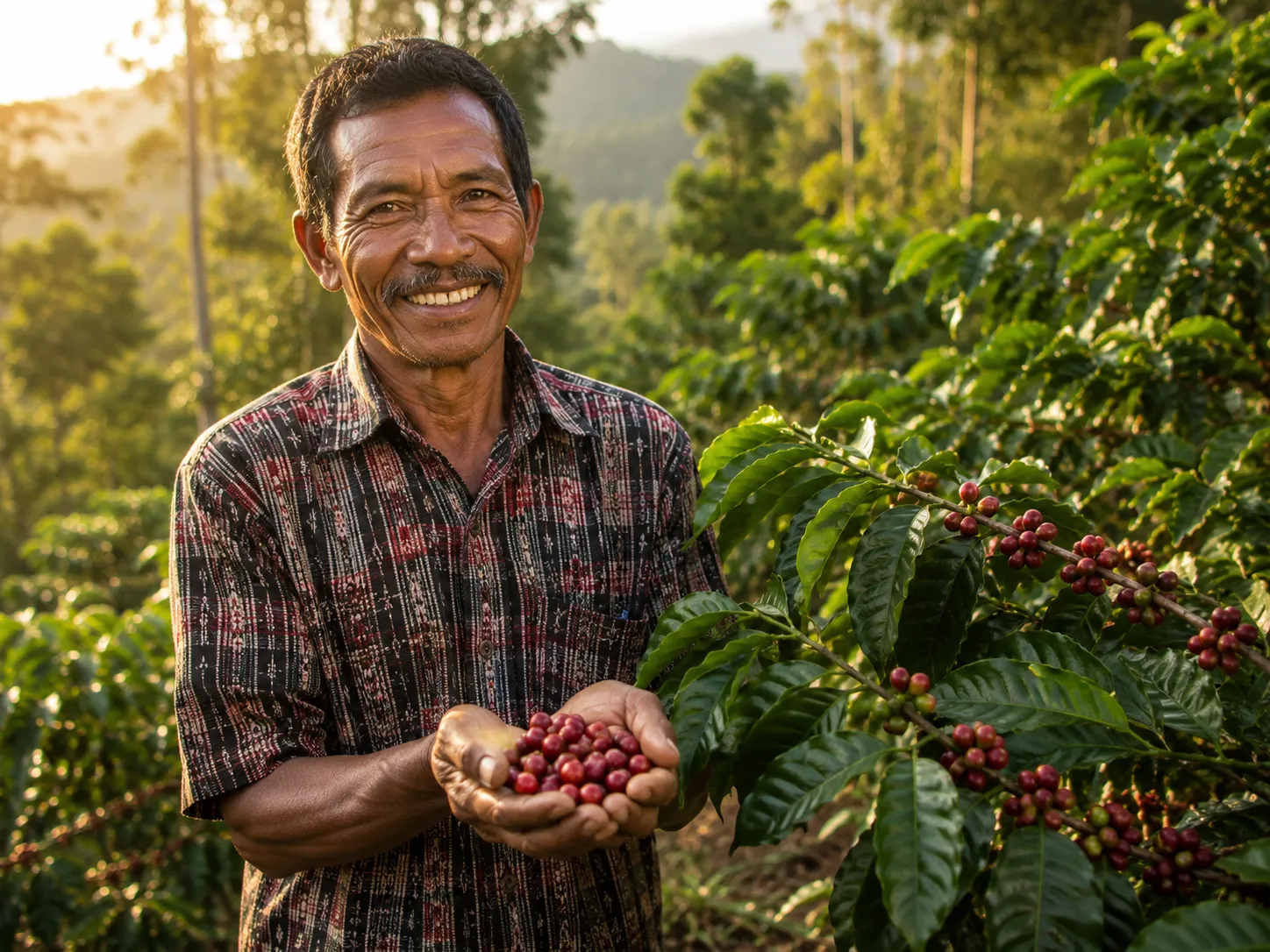
Two things make Timor coffee unusual on the world specialty market. First, the variety: in the 1920s a natural cross between arabica and robusta appeared spontaneously on a hillside near Hatolia. That cross — the Hibrido de Timor — is now the genetic backbone of disease-resistant arabica varieties all over the world. Second, the way it’s grown: roughly 30,000 smallholder families farm coffee here, almost all of it under shade trees, almost all of it without chemical inputs because the families can’t afford them. That accidentally makes most Timorese coffee organic by default — and produces cups with a clean, citric body that buyers in Tokyo and Melbourne pay a premium for.
Where it grows
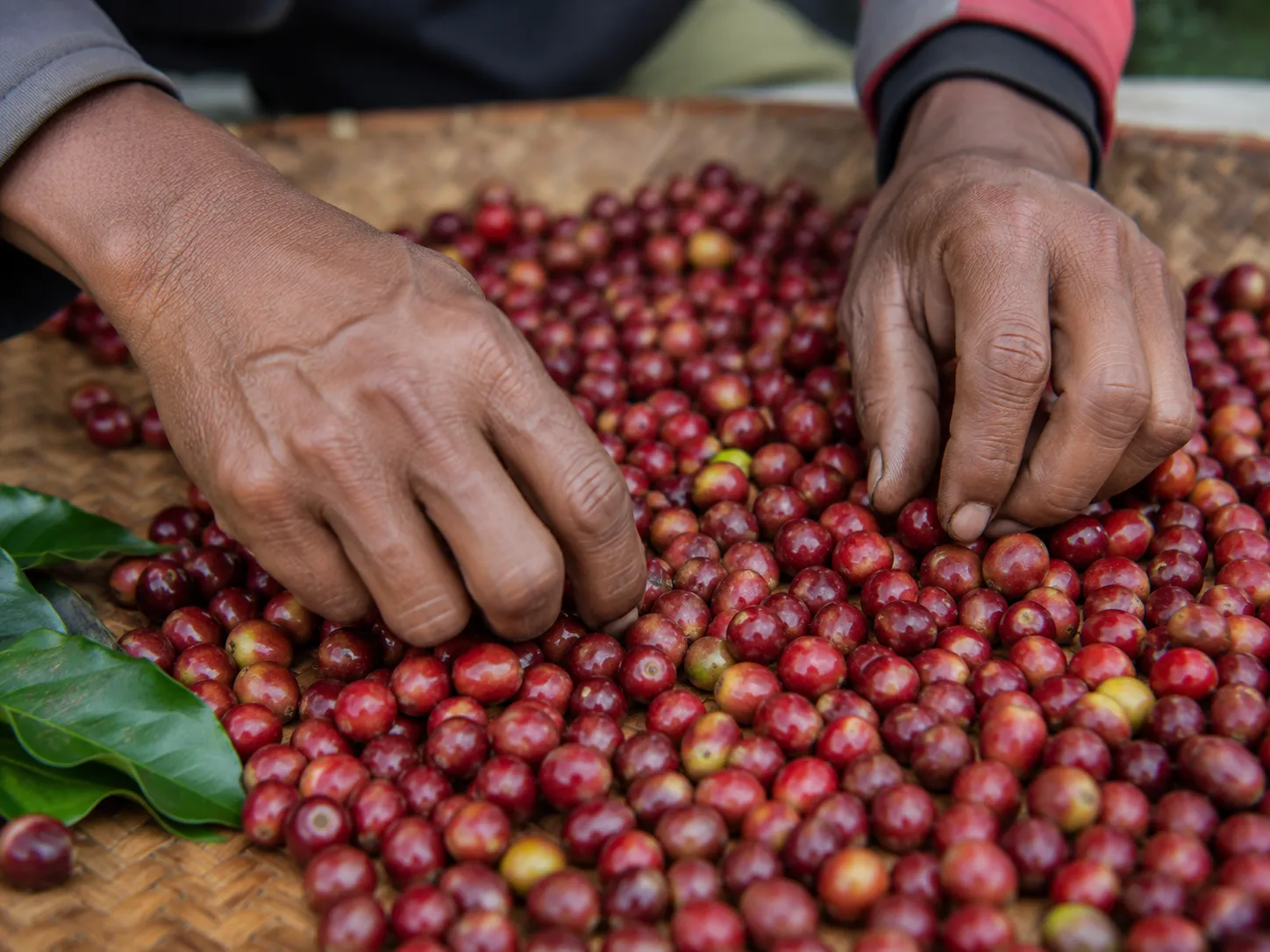
Coffee in Timor-Leste grows in a horseshoe across the central highlands, mostly between 1,200 and 1,600 metres. Five districts produce the bulk of the country’s specialty harvest, and each has a distinct cup profile:
- Ermera: The biggest producer by volume. Cup tends toward stone-fruit and chocolate; well-established washed-process mills.
- Letefoho: A small mountain town at 1,500 m. Cup is brighter, more citric. Several cooperatives here ship directly to roasters in Australia and Japan.
- Maubisse: Cooler, higher (around 1,400–1,800 m). The Pousada de Maubisse serves a Maubisse single-origin daily.
- Aileu: Quieter coffee district close to Dili — good day-trip option for visitors short on time.
- Ainaro: Around the slopes of Mt Ramelau. Some of the most striking coffee landscapes in the country.
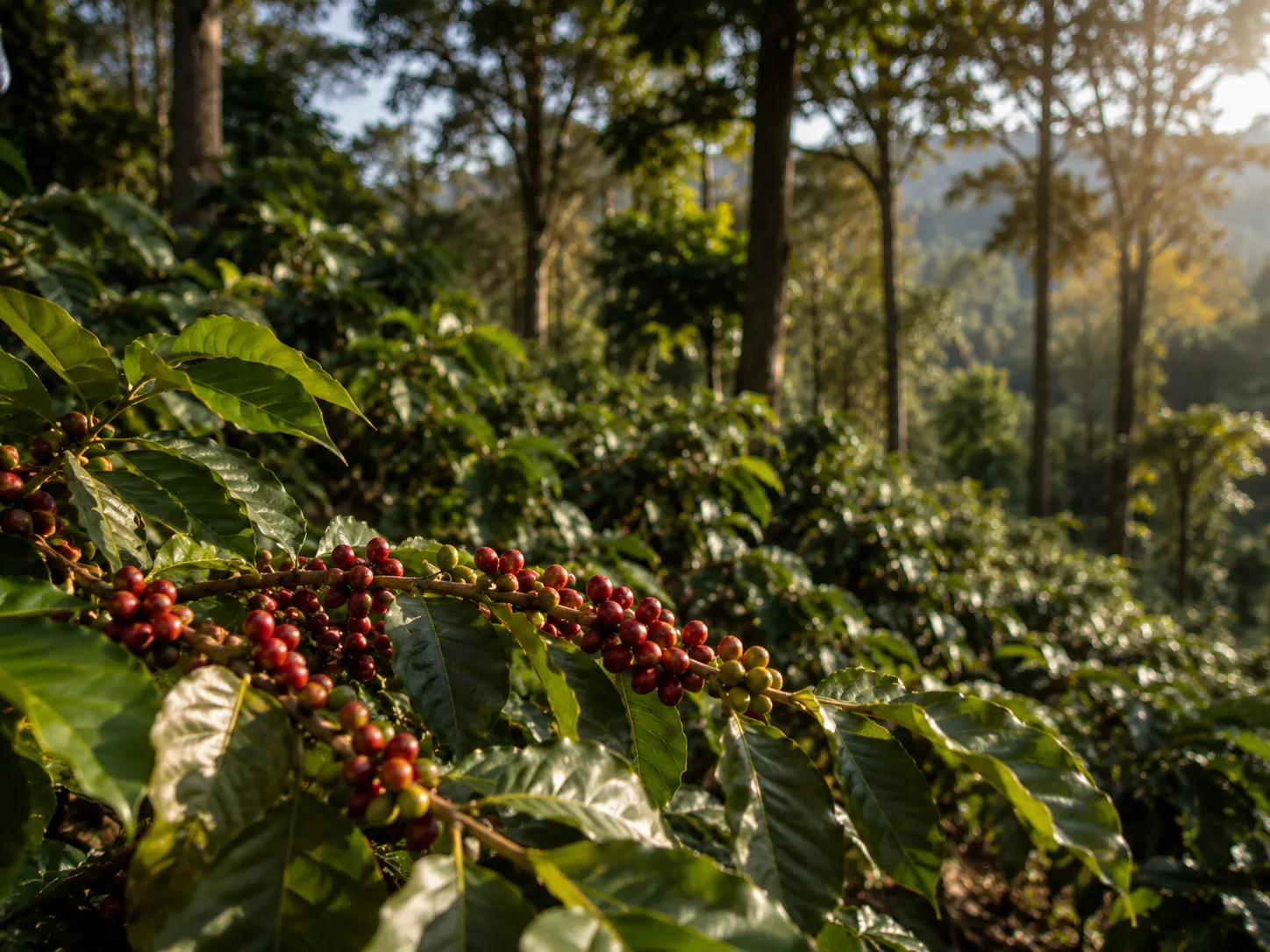
Maubisse — Pousada cup
Stone-fruit and chocolate, washed-process, served on the ridge.
- 1,400–1,800 m, cooler ridge
- Washed process at established mills
- Stone-fruit body, milk-chocolate finish
- Poured daily at the Pousada de Maubisse
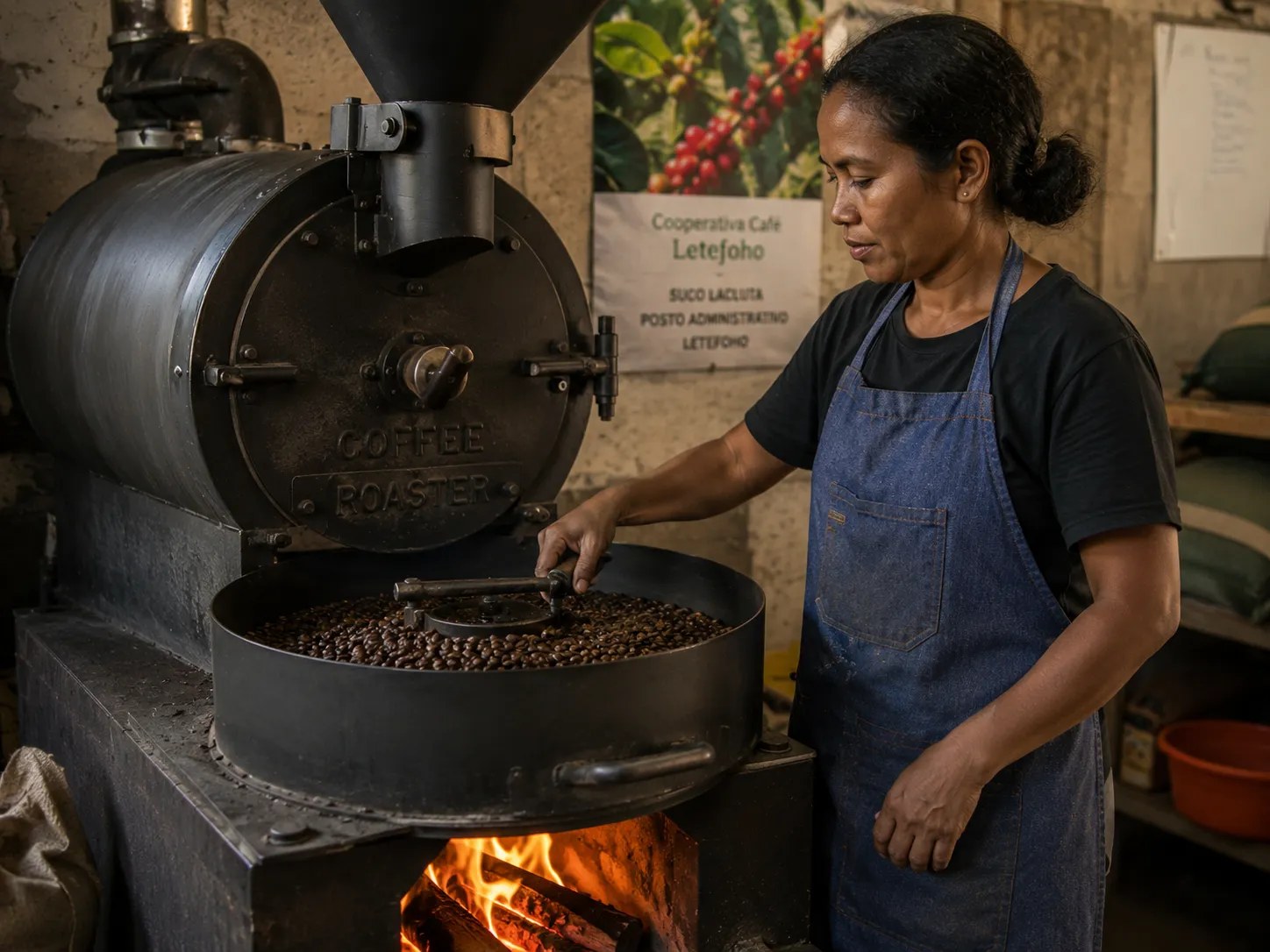
Letefoho — Cooperative cup
Brighter, citric, smallholder direct trade — straight from the warehouse.
- 1,500 m, mountain-town climate
- Smallholder direct trade to roasters abroad
- Citric brightness, clean body
- Served at the cooperative café in town
Where to taste it
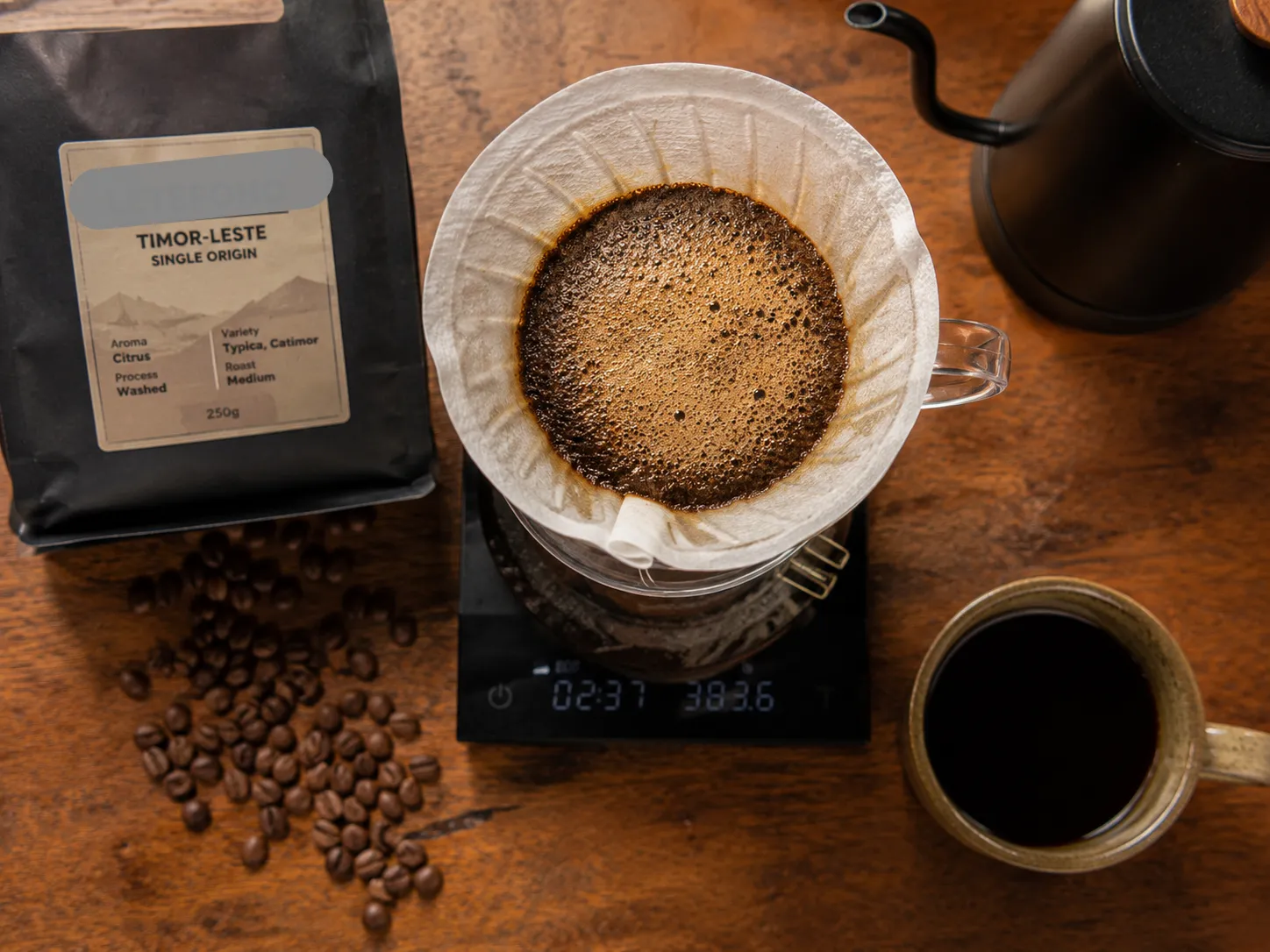
Most of Timor-Leste’s specialty harvest is exported to Tokyo, Melbourne, Seattle, Portland and Berlin. But a small ring of cafés and roasters in Dili keeps the best of the harvest in country, and several mountain towns serve fresh-roasted estate coffee at the source.
- Letefoho Specialty Coffee Roaster (Dili): Roaster + café on the Dili foreshore. Pours single-lot Letefoho, sells beans by the kilo.
- Café Brasil (Dili): Long-running Portuguese-Timorese café in central Dili — the place for an espresso with a Pastel de Nata.
- Agora Food Studio (Dili): Pours a rotating single-origin and serves modern Timorese food alongside.
- Pousada de Maubisse: The historic Portuguese rest-house in Maubisse, perched on the ridge. Serves Maubisse beans on the terrace at 1,400 m.
- Letefoho Cooperative Café: Small café next to the cooperative warehouse in Letefoho town. Direct from the farmer, no middlemen.
Visiting the farms
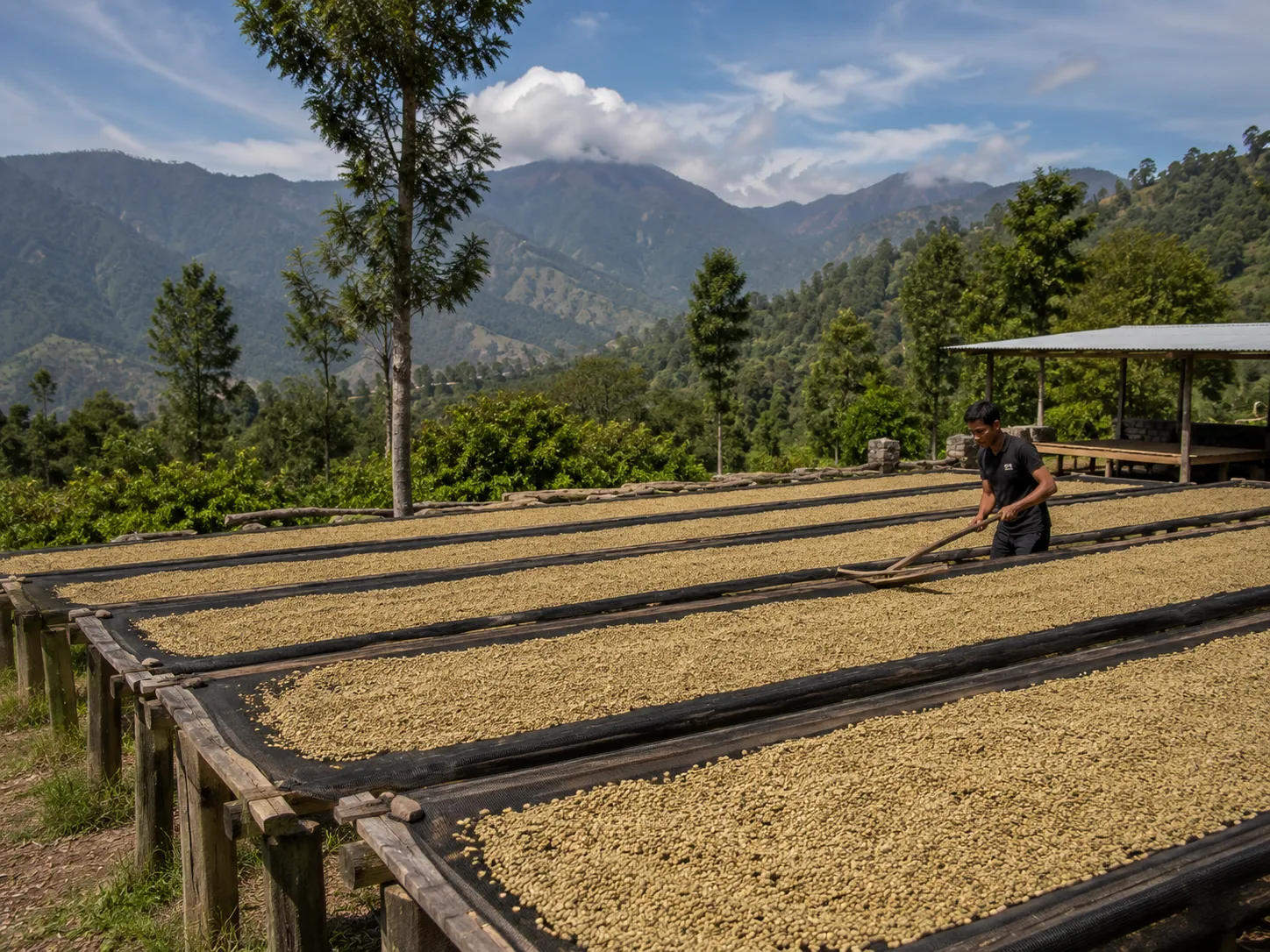
Coffee-country tourism in Timor-Leste is still in its infancy — there are no industrial-scale plantation tours like in Costa Rica or Colombia. What you can do is visit cooperatives during the May–September harvest, see the wet mills, the drying patios, and walk farms with the families that own them.
- Day trip from Dili: Maubisse is 2.5–3 hours up the mountain road. Doable as a long day; better as an overnight at the Pousada.
- Two-day Letefoho loop: Drive up via Aileu and Maubisse, overnight in Letefoho with a cooperative homestay, return through Ermera the next day.
- Coffee + climb: Pair Hatobuilico (the trailhead for Mt Ramelau) with a Maubisse coffee day — same road, opposite ends.
Buying coffee to take home
- Letefoho Specialty Coffee Roaster on the Dili foreshore vacuum-packs roasted beans on the spot — survives long-haul flights fine.
- Cooperatives in Letefoho and Maubisse will sell green beans by the kilo if you want to roast at home.
- The Dili airport duty-free has a small Timor-Leste coffee selection — adequate but pricier than Dili town.
- Customs heads up: most countries allow 1–2 kg of roasted coffee for personal use without declaration. Green beans usually need a phytosanitary certificate.
"You taste the mountain in this cup. Thirty thousand families grow it, mostly without ever using a chemical, and the flavour comes from the trees they grew up under — not from a recipe." — Letefoho cooperative roaster, Dili foreshore
Stay in coffee country
Pousada de Maubisse, mountain homestays in Letefoho, and cooperative-run guesthouses in Hatobuilico put you on the ridge with the coffee.