Travel tips
Best time to visit Timor-Leste
A month-by-month climate guide for the Dili coast plus highland notes — so you can pick the season that matches what you came for.
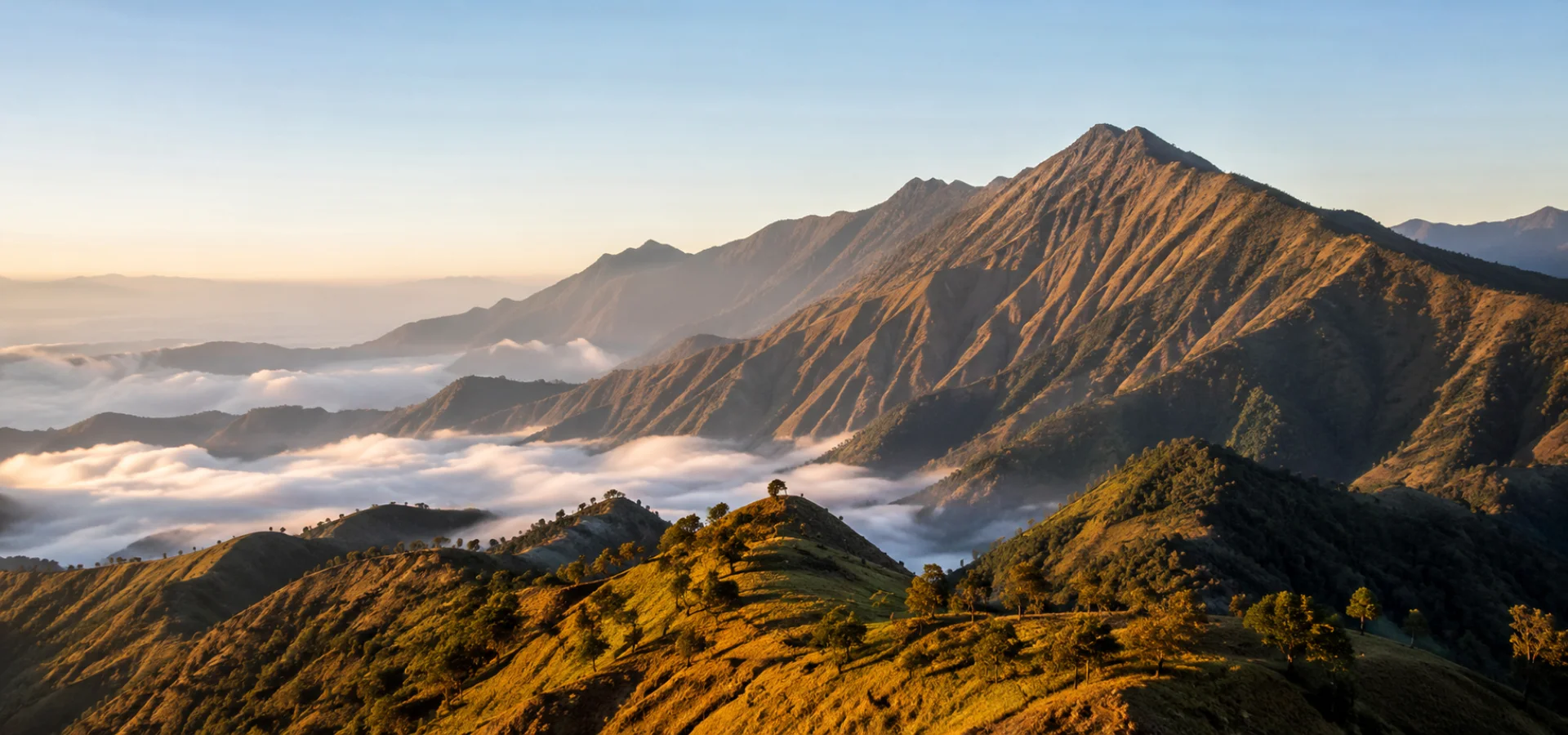
- Dry: May – Nov
- Wet: Dec – Apr
- Highlands cooler year-round
- Best month: August
Two seasons, very different feel
- 9° S Latitude — equatorial
- 27–30 °C Sea temp year-round
- 2,986 m Mt Ramelau summit
- ~2,300 mm Annual rain, Dili coast
Timor-Leste sits just under 9° south of the equator and has two distinct seasons: a long dry season from May through November and a wet monsoon from December through April. The coast around Dili stays warm year-round — daytime temperatures sit between 30 and 33 °C almost every month — but the highlands behave like a different country. Maubisse, Letefoho, Hatobuilico and the slopes of Mt Ramelau can drop to single-digit °C at night, and morning mist lingers well into the dry season. The shoulder months (April and November) are the most unpredictable, with brief tropical downpours that can wash out unsealed mountain roads.
Dry season — May to November
Reliable, clear, busiest. Book ahead in July & August.
- Reef visibility 25–40 m at Atauro
- Ramelau sunrise pilgrimage is realistic
- Mountain roads dry, fewer landslides
- Independence festivals in Aug–Sep
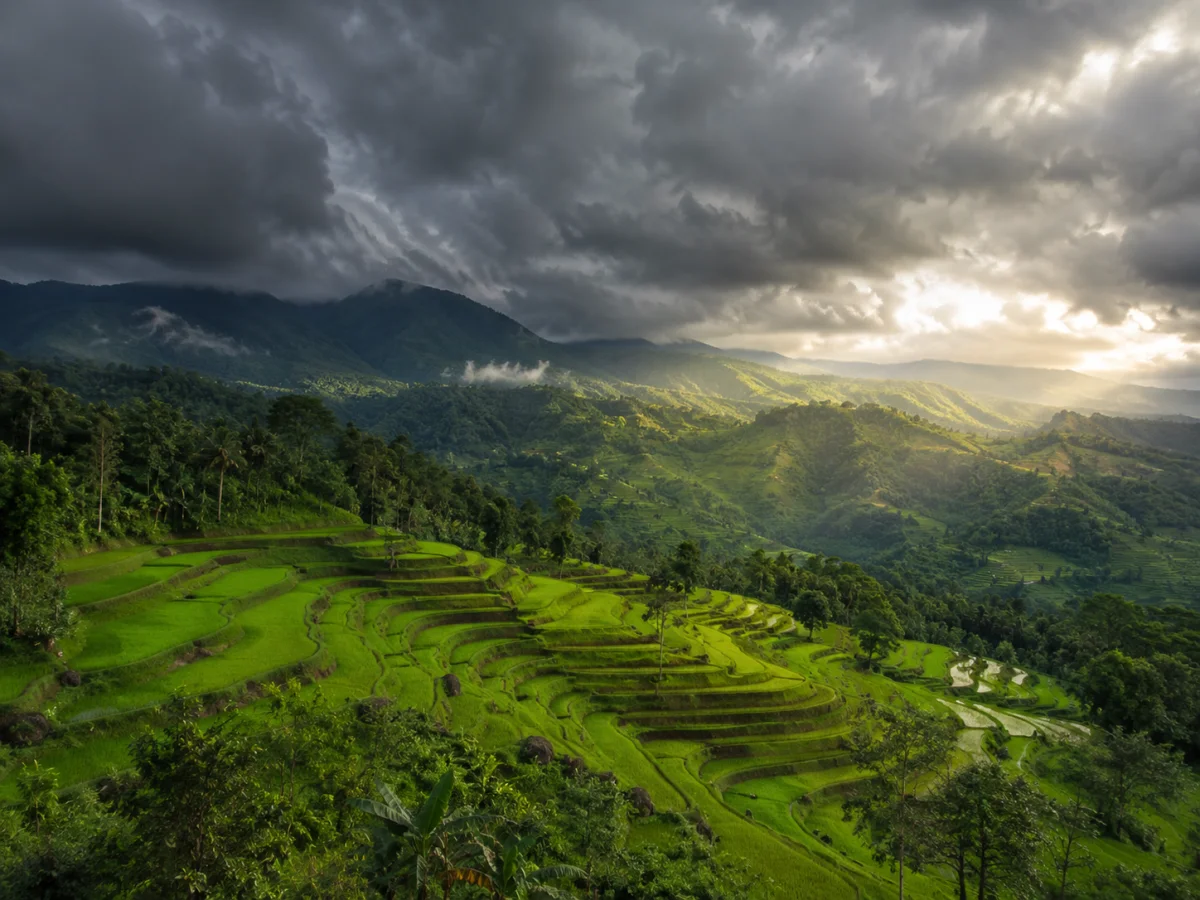
Wet season — December to April
Lush, dramatic, quieter, and the surf is on.
- Vivid green Maubisse rice terraces
- South-coast surf — Beaço, Loré
- Brief but heavy afternoon storms
- Some highland roads cut by landslides
Dili climate, month by month
Climate normals for Dili (8.5° S, 125.6° E, sea level). Sea temperatures are for inshore reef waters; sunrise and sunset use local UTC+9.
| Month | Rain (mm/day avg) | Day temp °C | Night temp °C | Sea temp °C | Sunrise | Sunset | Best for |
|---|---|---|---|---|---|---|---|
| January | 5.5 | 31 | 24 | 30 | 05:35 | 18:35 | Quiet beaches, lush highlands |
| February | 6.0 | 31 | 24 | 30 | 05:45 | 18:35 | Surf swell, green hills |
| March | 5.0 | 31 | 24 | 30 | 05:50 | 18:25 | Shoulder rain ending |
| April | 2.5 | 32 | 24 | 29 | 05:55 | 18:10 | Rain easing, vivid green |
| May | 0.8 | 32 | 23 | 29 | 06:00 | 17:55 | Dry season begins |
| June | 0.3 | 31 | 22 | 28 | 06:10 | 17:50 | Peak diving visibility |
| July | 0.2 | 31 | 21 | 27 | 06:15 | 17:55 | Whale watching off Atauro |
| August | 0.2 | 31 | 21 | 27 | 06:10 | 18:00 | Best month overall — clear skies |
| September | 0.3 | 32 | 22 | 27 | 05:55 | 18:00 | Independence festivals, dry & warm |
| October | 0.8 | 33 | 23 | 28 | 05:40 | 18:05 | Hot, dry, kite-surf winds |
| November | 2.5 | 33 | 24 | 29 | 05:30 | 18:15 | Early showers, dramatic skies |
| December | 4.5 | 32 | 24 | 30 | 05:30 | 18:25 | Christmas in the highlands |

When to come for what
Diving & snorkelling
June through October. Atauro Island sits in some of the most biodiverse reef water on Earth — surface visibility regularly hits 25 to 40 metres in the dry months, water temperature stays between 27 and 30 °C, and the trade winds keep the surface calm in the mornings. July and August also bring resident pods of blue and pygmy blue whales through the Wetar Strait, often visible from the ferry.
Hiking Mt Ramelau (2,986 m)
May to September. The classic pre-dawn ascent from Hatobuilico for the sunrise pilgrimage is realistic only in the dry season — wet-season cloud cover usually drowns the view, and the dirt track up from Aileu becomes a slide. Pack a fleece and a beanie even in July: temperatures at the summit can sit between 5 and 10 °C an hour before sunrise.
Cultural festivals & city walks
August and September. Independence-restoration commemorations on 30 August and the 20 May celebrations are dry-season events with parades, music and Tais markets across Dili. Pleasant evenings, easy walking on the waterfront, and most outdoor venues running at full programme.
Surf
December through February. The wet-season swell pushed up from the Indian Ocean lights up the points on the south coast around Beaço and Loré. Conditions are inconsistent and access can be slow on washed-out roads, but the line-ups are uncrowded by anyone's standards.
"There is nothing quite like the summit of Ramelau at dawn in August — the cloud sea below you, Atauro on the horizon, and the cross 2,986 metres above the Indian Ocean." — Local pilgrim guide, Hatobuilico
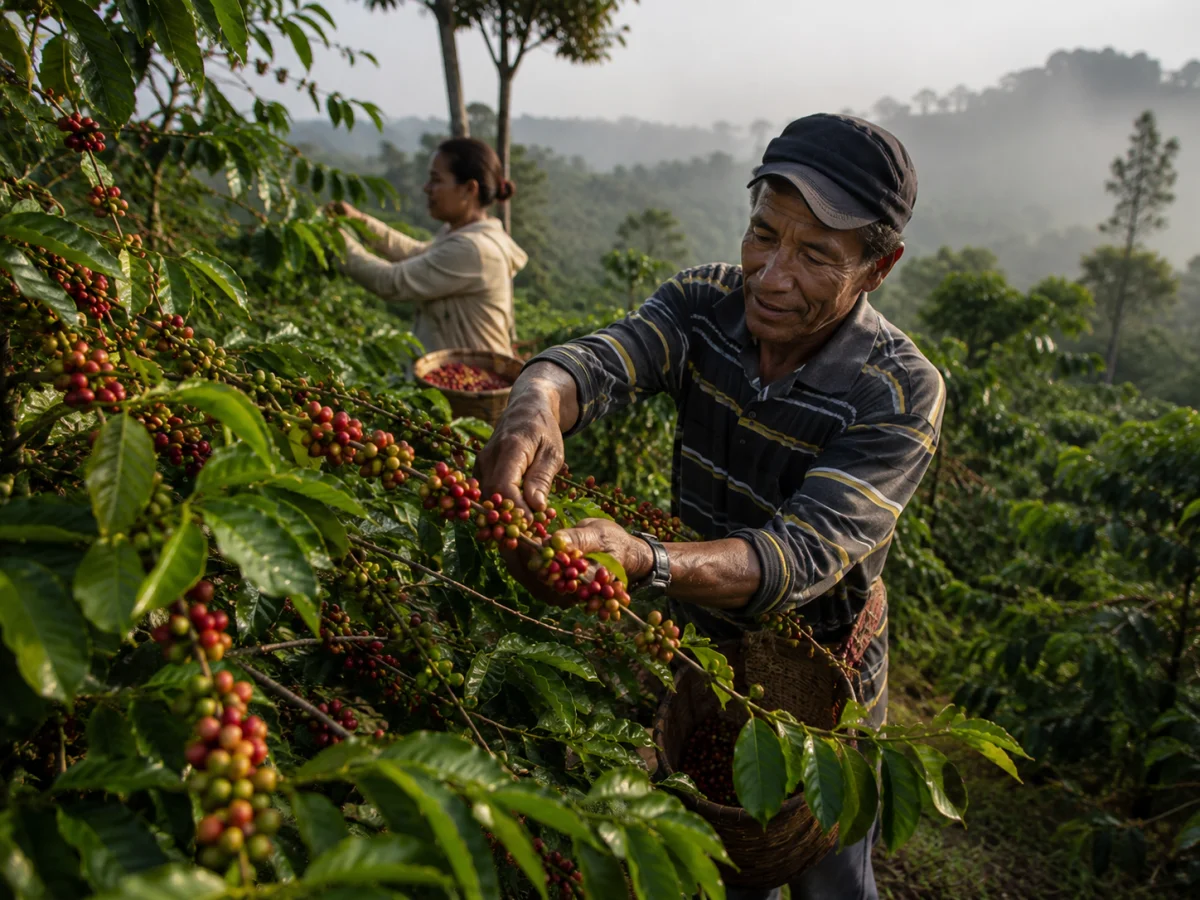
The highlands are a different country
Once you climb above about 1,200 metres the climate uncouples from the coast. Coffee-country towns like Maubisse, Letefoho and Hatobuilico routinely drop to 10–12 °C overnight even in the depths of the dry season, and a thick morning mist often sits in the valleys until 9 or 10 am. In July and August it can hover near freezing on the upper slopes of Ramelau.
Practical tips before you book
- Bring a light fleece if you plan to spend any nights in the highlands — even in dry season, the mountains can drop below 15 °C overnight.
- Reef-safe sunscreen is essential year-round. At 8° south the sun bites quickly, and most of the country's reefs are within wading distance of shore.
- Avoid the inter-monsoon transition (March–April) for long road trips — landslides on the south-coast and highland roads are common as the wet season tails off.
- The dry season (June–September) is also the busiest. Atauro guesthouses, Maubisse Pousadas, and dive boats sell out 2–4 weeks ahead in July and August — book stays in advance.
- Tropical cyclones rarely make landfall here, but heavy December–February rain can flood Dili streets within an hour — keep travel days flexible.